Branding is often misunderstood. Many business owners assume it simply means getting a logo designed, picking a couple of brand colors, and posting consistently on social media. While those elements are part of the process, they barely scratch the surface of what branding truly represents in a competitive business environment.
In reality, branding is about perception and emotional connection. It’s how customers feel when they interact with your business, whether through your website, marketing, communication style, or overall experience. If you’re serious about building credibility, attracting the right audience, and achieving long-term growth, understanding branding is not optional, it’s essential.
What Is Branding?
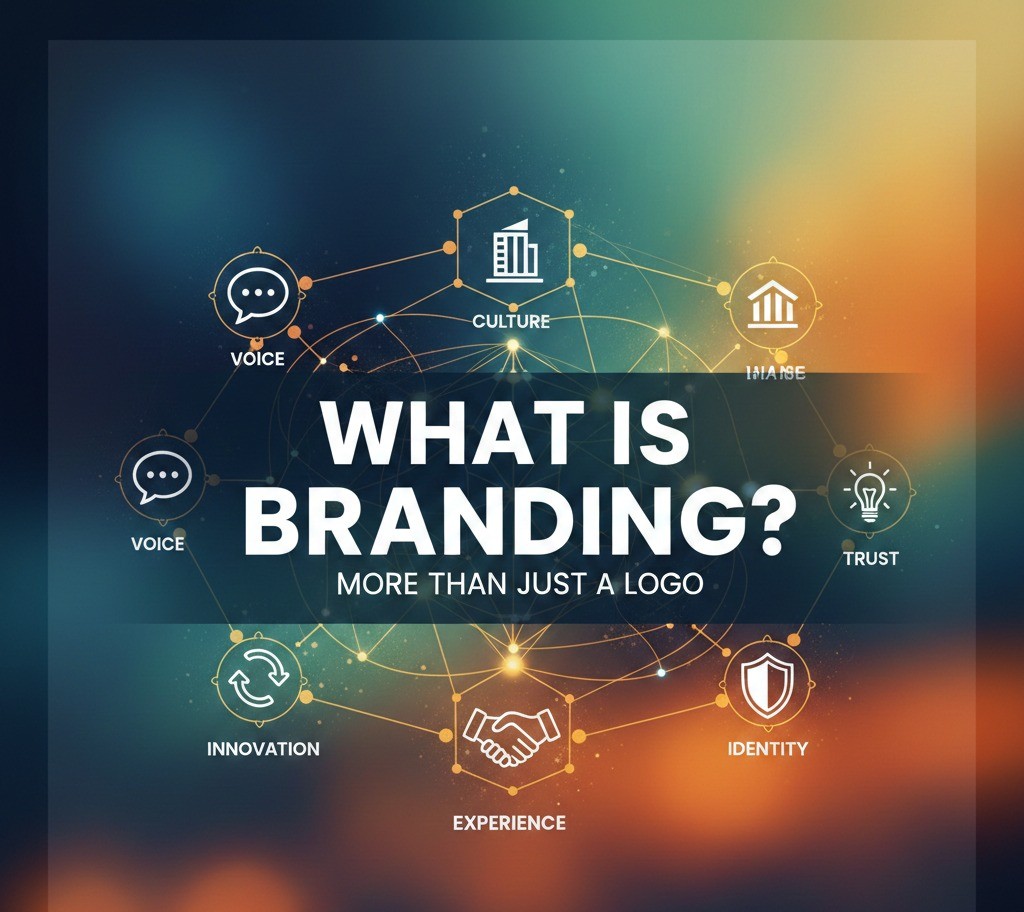
Branding is the process of shaping how your business is perceived in the market. It goes beyond visuals and includes your mission, values, tone of voice, customer experience, visual identity, and overall positioning. Every interaction a customer has with your business, from your website to your communication style, contributes to how your brand is remembered.
A professional branding agency doesn’t just design a logo; it builds a complete system that makes your business recognizable, consistent, and trustworthy. Branding ultimately answers one powerful question: why should someone choose you over your competitors? If you don’t define that clearly, the market will define it for you, and that may not align with your vision.
Branding vs Logo: What’s the Difference?
| Element | Meaning | Purpose | Without Strategy |
|---|---|---|---|
| Logo | A visual symbol or mark | Creates recognition | Just a graphic with no depth |
| Branding | The meaning and emotion behind the symbol | Builds connection and trust | Confusing or inconsistent perception |
| Brand Strategy | The direction and positioning of the business | Guides all branding decisions | No clarity, no differentiation |
When logo (face), branding (personality), and brand strategy (brain) work together, your business becomes memorable and powerful. Without strategy, even the best-looking logo can become forgettable.
What Does Brand Identity Design Actually Include?
Strong brand identity design goes far beyond just creating a logo. It is a complete visual and strategic system that defines how your business appears and communicates across every platform. It includes your logo system (primary, secondary, and icon versions), color palette, typography, brand guidelines, visual identity design elements, tone of voice, messaging style, and even your overall brand positioning strategy.
Each of these elements works together to create a unified presence. Your colors create recognition. Your typography builds personality. Your messaging communicates your value. And your brand guidelines ensure everything stays aligned as your business grows. Without this structure, branding becomes inconsistent and confusing.
A well-developed visual identity design ensures that whether someone sees your website, product packaging, Instagram post, or brochure, the experience feels cohesive. And consistency is powerful, because consistency builds trust. And trust ultimately builds sales.
Why Branding Matters for Business Growth
For startups and growing businesses, branding is not just a creative decision, it’s a strategic investment that directly impacts growth. The way your brand looks, communicates, and positions itself in the market determines how much people trust you, how much they’re willing to pay, and whether you attract the right customers or not.
Here’s why:
- 1. Builds Trust Instantly: People judge brands within seconds. Before reading about your services, customers notice your design, messaging, and overall presentation. Professional corporate branding services create a polished and consistent image that builds credibility from the first impression. A business with clear messaging and strong visual presence feels reliable, while a random-looking brand creates doubt.
- 2. Helps You Charge Premium Prices: Strong branding increases perceived value. Customers are not just buying a product or service; they are buying trust, experience, and reputation. A well-defined brand positioning strategy allows your business to compete on value instead of price. When your brand feels premium and confident, customers are more willing to pay premium prices.
- 3. Attracts the Right Audience: Your branding clearly communicates who your business is meant for, and who it isn’t. A creative branding agency helps define your target audience, market position, brand voice, and unique value proposition. This clarity ensures you attract ideal clients who align with your brand, instead of random leads that don’t convert.
This clarity helps attract ideal clients instead of random leads.
Branding for Startups: Why It’s Crucial from Day One
Many founders believe they should focus only on sales in the beginning and think branding can be handled later. But that approach is risky. Without a clear brand foundation, your marketing becomes inconsistent, your messaging feels scattered, and growth starts to look unstructured. A strong startup branding agency helps establish clear brand direction, market differentiation, a scalable identity, and long-term consistency from day one. When your foundation is solid, scaling becomes smoother and more strategic. Branding early prevents confusion, saves rework later, and positions your startup for sustainable growth.
Personal Branding Is Not Just for Influencers
Personal branding is no longer limited to influencers or content creators. Today, founders, consultants, freelancers, coaches, and even CEOs need strong personal branding services to build credibility and visibility. In a competitive market, people don’t just choose companies, they choose leaders they trust. And trust is built through clarity, consistency, and authenticity.
Because people connect with people, your personal brand directly influences how others perceive your expertise and professionalism. Strategic digital branding solutions help position you as an authority in your niche through consistent messaging, strong online presence, and aligned visual identity. When your personal brand is clear and confident, it strengthens both your reputation and your business growth.
When Should You Consider Rebranding?
Rebranding isn’t a failure, it’s a sign of growth. As your business evolves, your brand should evolve with it. You may need rebranding services if your company has outgrown its original identity, your visuals feel outdated, you’re entering a new market, your positioning has become unclear, or you’ve expanded or merged services. When your brand no longer reflects who you are today, it creates confusion in the market.
A professional brand marketing agency ensures the transition is strategic, not chaotic. Rebranding should strengthen your credibility, sharpen your positioning, and align your visuals and messaging with your current goals. Done correctly, it doesn’t confuse your audience, it builds renewed trust and positions your business for the next stage of growth.
Branding in the Digital Era
Today, branding is deeply connected to your online presence. Your website, social media, advertisements, and content all represent your brand, whether you manage them strategically or not. Every digital touchpoint shapes how customers perceive your business. That’s why modern digital branding solutions integrate design, messaging, and marketing into one unified system.
Branding and marketing are no longer separate functions; they work together to create visibility, engagement, and conversions. Businesses increasingly prefer a full-service branding agency because it ensures consistency across all platforms instead of juggling multiple vendors. When strategy and execution align, your brand becomes stronger and more impactful.
Key Features of Digital Branding:
- ✔️ Consistent website design aligned with brand identity
- ✔️ Clear social media visual and content direction
- ✔️ Strategic content planning
- ✔️ Strong brand messaging framework
- ✔️ Integrated performance marketing support
What Makes a Strong Brand Strategy?
A strong brand strategy is the foundation that guides every decision in your business, from marketing campaigns to customer experience. It ensures your brand is not just attractive, but purposeful, consistent, and positioned for long-term success.
- 1. Clear Brand Positioning: Your brand positioning strategy defines who you serve, what problems you solve, and why you’re different from competitors. It gives your business direction and ensures your messaging speaks directly to the right audience instead of trying to appeal to everyone.
- 2. Consistent Visual Identity: Professional visual identity design ensures your branding remains uniform across your website, social media, ads, and offline materials. Consistency strengthens recognition and builds trust over time.
- 3. Emotional Connection: Strong brands don’t just sell products, they create feelings. Trust, confidence, and aspirational value influence buying decisions more than features alone. Emotional branding builds loyalty, not just transactions.
- 4. Long-Term Vision: Branding is not short-term marketing. It’s long-term business architecture. A well-defined strategy keeps your business aligned as you grow, scale, and evolve.
Ready to Build a Powerful Brand?
Whether you need a complete brand identity design, strategic brand strategy services, or expert rebranding services, Rapid Base Design is here to help.
Let’s create a brand that doesn’t just look good, but performs.
🚀 Contact Rapid Base Design today and start building a brand that truly represents your business vision.